
 EN

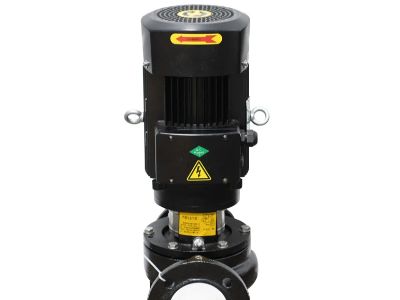
A screw chiller is an essential machine used in large industrial plants to maintain stable operating temperatures, particularly in areas where continuous machine operations generate immense thermal loads. When an industrial facility expands and operates numerous heavy machines simultaneously, implementing a highly effective cooling system becomes critical to prevent components from overheating, which can cause mechanical failures and severely slow down production schedules. To meet these rigorous demands, Yide manufactures high-capacity screw chillers engineered specifically to stabilize temperatures across large-scale facilities, making the selection of the correct unit size and type crucial for keeping operations running smoothly and efficiently. This specific cooling infrastructure relies on a heavy-duty screw compressor to cool industrial fluids, acting as the heart of the system by pushing refrigerant through a continuous thermodynamic cycle that absorbs ambient heat and discharges cooled air. These systems are indispensable for massive manufacturing plants because they possess the unique capability to cool large volumes of air simultaneously while maintaining exceptional long-term reliability. Because they operate continuously for long hours without structural breakdown, they protect delicate production lines—such as plastic manufacturing facilities where extreme machinery heat can warp or ruin raw products if left unregulated—by handling immense cooling loads across multiple factory zones simultaneously. Ultimately, protecting individual factory sectors from heat bleeding into adjacent workspaces means that deploying a robust and efficient Yide system is the defining key to overall operational success
How to Calculate Cooling Demand for Large Facilities
Calculating the specific cooling demand for a screw chiller setup within a large facility is a straightforward engineering process that begins with quantifying the exact amount of heat generated inside the workspace. This heat load is calculated by auditing active production machinery, the total number of personnel on the floor, and the thermal output of the building's commercial lighting systems, as all of these factors constantly radiate heat into the environment. For example, high-output industrial machinery radiates substantial thermal energy during peak operation, just as extensive facility lighting grids can rapidly raise the baseline room temperature. Once you accurately calculate the total British Thermal Units (BTUs) or kilowatts of heat being generated, you can easily determine the exact cooling capacity required for your space, noting that if your refrigeration system is undersized, it will fail to keep the factory floor cool. To simplify this configuration process, Yide provides specialized tools and calculation software to help engineering teams determine the perfect chiller sizing for their facility needs, ensuring companies buy the right equipment to prevent machinery overheating. A proven engineering rule of thumb is to always specify a slightly higher cooling capacity than your baseline calculations require to handle unexpected thermal spikes, guaranteeing that your facility remains cool, energy-efficient, and cost-effective over a long operational lifespan
Advantages of Screw Chillers Over Alternative Cooling Systems
air cooled screw chiller offer distinct engineering advantages that make them the preferred cooling solution for large factories tasked with protecting high-value machinery and product lines. A primary benefit of these units is their superior energy efficiency, meaning they consume significantly less electricity to cool a designated space compared to alternative industrial refrigeration systems. This efficiency translates directly into substantial financial savings for factory owners, which is critical since climate control often represents a major portion of a manufacturing facility's monthly utility bill. Furthermore, screw water chiller are highly favored because their simplified mechanical design makes them incredibly reliable, allowing them to run continuously for extended periods without requiring emergency maintenance shutdowns. This high cooling capacity allows them to lower temperatures across expansive industrial footprints rapidly, which is essential for preventing clustered machinery configurations from overheating during peak production cycles. Additionally, these systems provide exceptional operational flexibility by easily modulating their output, allowing a Yide screw chiller to seamlessly increase its cooling power on hot summer days to keep factory production flowing without interruption. These systems are also explicitly designed to minimize noise pollution through balanced compressor rotation, operating much more quietly than louder alternative chillers to create a less distracting environment for floor workers. Finally, because they feature fewer moving parts, they are much easier to maintain through routine inspections and simple parts replacements, making Yide models an excellent, cost-effective investment for large-scale industrial owners
Where to Source High-Quality Screw Chillers at Competitive Prices
When an industrial facility decides to invest in capital cooling infrastructure, sourcing a high-quality screw chiller at a competitive price point requires thorough research and strategic procurement. Finding a system that balances premium engineering with competitive pricing can be challenging, but focusing your search on trusted manufacturers that specialize exclusively in industrial refrigeration—such as Yide—ensures access to reliable equipment. It is vital to compare technical specifications and pricing structures across multiple suppliers, keeping in mind that the cheapest initial option rarely delivers the best long-term value compared to a premium chiller that offers greater efficiency and a longer operational lifespan. Utilizing online B2B marketplaces and reviewing official manufacturer websites allows procurement managers to analyze different brands, compare specific models, and read verified customer testimonials regarding field performance. Attending industrial trade shows and mechanical engineering exhibitions also provides a valuable opportunity to see these chillers operating in person, ask technical questions directly to factory experts, and negotiate special event discounts. Additionally, consulting with other factory owners and network peers can yield excellent personal recommendations for sourcing fair-priced equipment without sacrificing component quality. Lastly, always evaluate the quality of a manufacturer's after-sales support network, as partnering with a dedicated brand like Yide ensures you receive dependable technical assistance and replacement parts throughout the lifetime of your machinery
Essential Maintenance Tips for Chiller Longevity and Efficiency
Implementing a structured preventative maintenance program is essential for maximizing the operational lifespan and preserving the high efficiency of industrial screw chillers. The most basic yet critical maintenance task is keeping the entire unit clean, as an accumulation of environmental dust and debris forces the heat exchangers to work harder and consume excessive energy. Facilities must establish routine schedules to clean the condenser coils, wash air filters, and clear surrounding airways to ensure the system runs smoothly. It is equally important to monitor internal refrigerant levels because if the fluid level drops too low, the system's cooling capacity drops significantly, forcing the compressor to cycle constantly. Technicians must regularly check for microscopic refrigerant leaks, as early detection prevents efficiency loss and staves off rising energy costs. Scheduling periodic professional inspections by certified HVAC technicians helps facilities identify minor mechanical wear before it escalates into a catastrophic system failure. Yide recommends establishing a formalized maintenance log to track electrical connection testing, moving part lubrication, and safety valve calibrations. Finally, providing comprehensive equipment training for facility operators ensures your team can identify early warning signs of mechanical stress, which ultimately protects the hardware, keeps the factory running efficiently, and saves considerable money over time.