EN
EN

HÍREK
Szelepszelep kihagyása? Lehet, hogy a kompresszort áldozza fel – a költségek igazsága, amelyet a hűtőberendezés-gyártók nem árulnak el
Amikor ipari hűtőegységet vásárol, észreveheti, hogy az azonos névleges hűtőteljesítményű készülékek árajánlatai jelentősen eltérhetnek egymástól. A márkák árprémiumán és a konfigurációs változatokon túl létezik egy „láthatatlan” költségcsökkentési módszer, amelyet a vásárlók gyakran figyelmen kívül hagynak – a mágneses szelep.
Egyes hűtőegység-gyártók egyszerűen elhagyják ezt az alkatrészt a gyártási költségek csökkentése érdekében. Soha nem jelenik meg a forgalmazói bemutató során bármely összehasonlító táblázaton, de üzemelés közben hiánya sokkal többe kerülhet, mint amennyit az árkülönbség megtakarításával spórolt.
Tehát milyen szerepet játszik egy mágneses szelep egy ipari hűtőberendezésben? Mekkora a különbség annak hatására, hogy van-e vagy nincs ilyen szelep? Ez a cikk a működési elvvel kezdődik, majd részletesen áttekinti a valós költség–haszon elemzést.
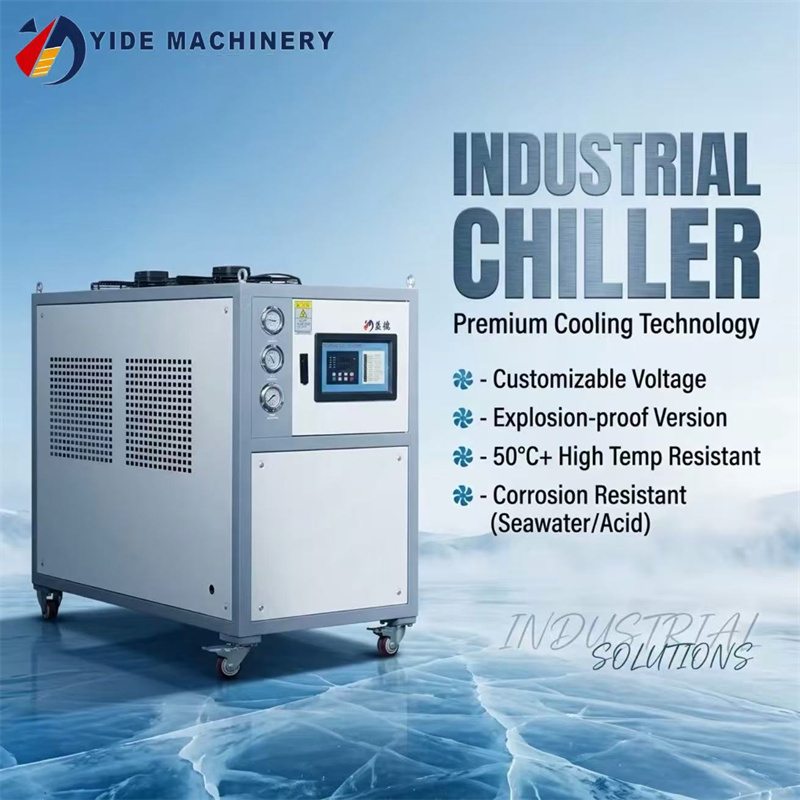
1. Mi egy mágneses szelep, és milyen szerepet tölt be a hűtőrendszerben?
Egy mágneses szelep egy elektromosan működtetett, automatikus be-/kikapcsoló szelep. A hűtőrendszerben általában a fojtószelep előtti folyadékvezetéken helyezik el. Működési logikája rendkívül egyszerű, ugyanakkor kritikus fontosságú:
– Áram alatt → az elektromágneses tekercs mágneses teret hoz létre, a szelepmag elmozdul, a szelep kinyílik, és a hűtőközeg áramlik át.
– Áram nélkül → a mágneses tér összeomlik, a szelepmag visszatér, a szelep bezáródik, és a hűtőközeg áramlása megszűnik.
Az ipari hűtőkészülékekben és a formahőmérséklet-szabályozókban az elektromágneses szelep általában a kompresszorral van összekapcsolva. Amikor a kompresszor elindul, az elektromágneses szelep egyidejűleg nyílik; amikor a kompresszor leáll, az elektromágneses szelep a kompresszornál korábban záródik.
Ez az egyszerű „nyit–zár” működés biztosítja az egész rendszer biztonságát és élettartamát.
2. Az elektromágneses szelep négy alapvető funkciója ipari hűtőkészülékben
1. funkció: Folyadékellátás leállítása kikapcsoláskor a „folyadékcsapágyazás” megelőzésére – a kompresszorok legnagyobb ellensége
Ez az elektromágneses szelep legfontosabb funkciója.
Amikor a kompresszor leáll, ha jelentős mennyiségű folyadék-hűtőközeg marad az elpárologtatóban, vagy ha a magas nyomású oldalról folyadék tovább áramlik az expanziós szelepen keresztül az elpárologtatóba, akkor a következő indításkor ez a folyadék közvetlenül a kompresszor hengereibe kerül.
Ez a rettegett folyadékcsapágyzás – a folyadék összenyomhatatlan, és amikor egy nagysebességű kompresszorba jut, erősen ütődik a szeleplemezekbe, a dugattyúkba, a hajtórudakba és más precíziós alkatrészekbe, ami a következő károkat okozza:
- Meghajlott vagy eltört szeleplemezek
- Meghajlott hajtórudak
- Gyorsult csapágykopás
- Súlyos esetekben teljes kompresszor-kiégés
Az elektromágneses szelep azonnal lezárja a folyadékvonalat a kompresszor leállásának pillanatában, így megakadályozza, hogy a folyadék hűtőközeg elérje a párologtatót, és ezzel megszünteti a folyadékcsapágyzás gyökér okát.
Funkció 2: „Ráterhelés nélküli indítás” engedélyezése és az indítási nyomaték csökkentése
Amikor egy kompresszor nyomáskülönbség ellenére indul, a motornak jelentős ellenállást kell legyőznie. Az indítási áram akár az üzemi áram 5–8-szorosa is lehet. A gyakori, nagy terhelés alatti indítások nemcsak többlet villamosenergiát fogyasztanak, hanem a motor élettartamát is csökkentik.
Egy ipari hűtőberendezés, amelyet mágnesszelepvel szereltek fel, a kompresszor leállításakor lezárhatja a folyadékellátást, és egy forró gáz átjáratos vagy magas-alacsony nyomású átjáratos kialakítással együtt lehetővé teszi a rendszer nyomásainak kiegyenlítődését állásidő alatt. Ennek eredményeként a kompresszor könnyű terhelés alatt, sőt akár nullás nyomáskülönbség mellett is újraindul – sokkal simábban, és lényegesen kisebb terhelést okozva az elektromos hálózatra.
Funkció 3: Hőmérséklet-szabályozó rendszerrel együttműködve pontos hűtőteljesítmény-szabályozás
Sok folyamat-hűtési alkalmazásban a hűtőberendezésnek valós idejű hőterhelés alapján kell szabályoznia hűtőteljesítményét. Egy mágnesszelepet a hőmérséklet-szabályozó be- és kikapcsolhat, hogy szabályozza a hűtőközeg áramlását, így egyszerű, de hatékony hűtőteljesítmény-szabályozást biztosít.
Ipari hűtőberendezések esetén, amelyek több elpárologtató ágat tartalmaznak, minden ág külön mágnesszelep felszerelésére alkalmas, így az egyes ágak független áramlásszabályozása lehetséges – ez alapvető fontosságú a zónánkénti hőmérséklet-szabályozáshoz.
Funkció 4: A hűtőközeg migrációjának megelőzése állásidő alatt és a kenőrendszer védelme
Amikor a kompresszor leáll, ha a nagynyomású folyékony hűtőközeg továbbra is átköltözik az alacsonynyomású oldalra, végül a kompresszor karterben gyűlik össze, és összekeveredik az olajjal. A következő indításkor a hűtőközeg forrni kezd, ami olajhabosodást és olajvesztést eredményez, így a csapágyak nem megfelelő kenéssel működnek – ez a kompresszor korai kopásának egyik fő oka.
A mágnesszelep a leállításkor megszakítja a folyékony hűtőközeg utánpótlását, ezzel hatékonyan blokkolja a migrációs útvonalat, és megőrzi a kenőrendszer integritását.
3. A mágnesszelep felszerelésének előnyei vs. a mágnesszelep elmaradásának hátrányai
| Aspektus | ✅ Mágnesszeleppel | ❌ Mágnesszelep nélkül |
| Kompresszor élettartam | Hatékonyan megakadályozza a folyadékcsapódást; zavartalan működés; az élettartamot 30%-kal vagy többel növeli | Minden indítás–leállítás kockázatot jelent a folyadékcsapódásra; jelentősen magasabb a kompresszor meghibásodási aránya |
| Indítási teljesítmény | Lehetséges terhelésmentes indítás; alacsonyabb áramcsúcs; rugalmas a hálózati ingadozásokkal szemben | Differenciális nyomás elleni indítás; nagy bekapcsolási áram; a motor hajlamos túlmelegedésre |
| A hőmérséklet-szabályozás pontossága | Hőmérsékletszabályozóval együtt működik finomabb kapacitásszabályozás érdekében | Kizárólag az expanziós szelepre támaszkodik – lassú reakció változó terhelés esetén |
| Leállítási védelem | Azonnal lezárja a folyadékellátást; megakadályozza a hűtőközeg migrációját a karterbe | A hűtőközeg a magas nyomású oldalon továbbra is átjut, hígítja az olajat, és károsítja a csapágyakat |
| Rendszerbiztonság | Többrétegű védelem; alacsony meghibásodási arány; alkalmas 24/7-es folyamatos üzemre | Ha a szabályzó szelep vagy az érzékelő gömb meghibásodik, nincs tartalék védelem – az összes kockázat a kompresszorra koncentrálódik |
| Karbantartási költség | A mágneses szelep maga hosszú élettartamú, karbantartása elhanyagolható | A kompresszorok gyakoribb javítása vagy cseréje; a hosszú távú teljes költség messze meghaladja a szelep kezdeti árát |
| Vásárlási költség | Egységenként néhány száz–ezer jüan (mérettől és márkától függően) | Ezt az összeget megtakarítja – de ez egy „hamis takarékosság”, amelyet a megbízhatóság rovására ér el |
4. Mely ipari hűtőknek „kötelező” mágneses szelepet használniuk?
Nem minden hűtési rendszer igényli feltétlenül a mágneses szelepet, de az alábbi helyzetekben biztonsági alapalkatrésznek kell tekinteni:
1. Közepes és nagy kapacitású ipari hűtők (≥10 LE): nagyobb hűtőközeg-mennyiség → a folyadékcsapódás kockázata leálláskor többszöröződik.
2. Többpárologtató vagy többkompresszoros párhuzamos rendszerek: minden körnek független szabályozásra van szüksége; mágnesszelepek nélkül a ágak kezelése lehetetlen.
3. Drasztikus környezeti hőmérséklet-változásokhoz kapcsolódó alkalmazások – például kültéri folyamat-hűtőrendszerek, ahol a hűtőközeg migrációja állásidő alatt gyorsul.
4. Pontos hőmérséklet-szabályozást igénylő folyamatok – például precíziós műanyag öntés, lézeres feldolgozás és gyógyszeripari hűtés, amelyek gyors reakciót és pontos szabályozást követelnek.
5. Instabil villamosenergia-ellátású régiók: gyakori indítások/leállítások vagy feszültség-ingadozások esetén az üresjáratban történő indítás előnye még fontosabbá válik.
5. Tanács vásárlóknak
Vissza az eredeti kérdéshez: mit jelent valójában az árkülönbség ipari hűtők összehasonlításakor mágnesszeleppel és anélkül?
Nem néhány száz CNY-ról van szó. Egy védőmechanizmusról, amely közvetlenül befolyásolja a kompresszor élettartamát és az egész rendszer stabilitását.
Mint beszerzési döntéshozó ipari hűtőberendezésekhez, amikor különböző gyártók árajánlatait hasonlítja össze, érdemes feltenni egy plusz kérdést:
„A mágnesszelep szabványos felszerelés az ipari hűtőberendezésén? Ha nem, akkor miért? És milyen alternatív védőintézkedéseket biztosít?"
Egy felelős hűtőberendezés-gyártó világosan feltárja a konfigurációs különbséget és a kapcsolódó kockázatokat, nem pedig elrejti a hiányosságot olyan kifejezések mögé, mint „egyszerűsített tervezés” vagy „kevesebb lehetséges hibapont”.
Ne feledje: egy kompresszor jóval drágább, mint egy mágnesszelep – és egyetlen folyadékbeömléses esemény költsége elegendő ahhoz, hogy tucatnyi mágnesszelepet meg lehessen vásárolni.
Záró gondolatok
Egy mágnesszelep egyszerű kapcsolóeszköznek tűnhet, és kevesebb mint 2%-ot tesz ki a hűtőrendszer teljes költségéből. Ugyanakkor védi a kompresszort, amely a teljes hűtőberendezés költségének több mint 30%-át is kiteheti. Ez a „kis befektetés, nagy védelem” filozófia éppen azt tükrözi, amit a kiforrott ipari hűtőberendezések tervezése jelent.
Legközelebb, amikor ipari hűtőberendezéseket értékel, ne csak a kompresszor márkájára vagy a COP-értékre figyeljen – nyissa ki az elektromos szekrényt, és keressen benne egy láthatatlan mágnesszelepet. Ha ott van, további biztonsági réteget kap. Ha nincs ott, akkor a berendezése teljes megbízhatóságára fogad.
Szeretne többet megtudni az ipari hűtőberendezések alapvető hűtőkomponenseiről és gyakorlati vásárlási tanácsokról? Kövessen minket szakértő ipari hűtési technikai támogatásért.