EN
EN

সংবাদ
১০০°সে সীমা ভঙ্গ: কীভাবে একটি স্টিম পয়েন্টের উপরে জলের তাপমাত্রা নিয়ন্ত্রক একটি সলিনয়েড ভাল্ভ ব্যবহার করে উচ্চ তাপমাত্রা অর্জন করে
শিল্প ক্ষেত্রে তাপমাত্রা নিয়ন্ত্রণে ১০০°সে দীর্ঘদিন ধরে একটি কঠিন সীমা হয়ে রয়েছে—বায়ুমণ্ডলীয় চাপে জলের স্ফুটনাঙ্ক। এই সীমার উপরে গেলে জল বাষ্পে পরিণত হয়, যার ফলে তাপ স্থানান্তরের ক্ষমতা হারিয়ে যায় এবং নিরাপত্তা ঝুঁকি সৃষ্টি হয়। অতীতে, উচ্চ তাপমাত্রার জন্য উৎপাদকদের তেল-ভিত্তিক তাপমাত্রা নিয়ন্ত্রকে রূপান্তরিত হতে হতো, কিন্তু এটি তেল দূষণ, কোকিং এবং উচ্চ রক্ষণাবেক্ষণ খরচের মতো সমস্যা সৃষ্টি করত।
সুতরাং, কি কোনও উপায় আছে যার মাধ্যমে জলকে নির্ভরযোগ্যভাবে ১০০°সেলসিয়াসের উপরে উত্তীর্ণ করা যায় এবং ১২০°সেলসিয়াস বা তার চেয়ে বেশি তাপমাত্রায় স্থিতিশীল তরল হিসেবে রাখা যায়? এর উত্তর লুকিয়ে আছে একটি আপাতদৃষ্টিতে ছোট কিন্তু অত্যন্ত গুরুত্বপূর্ণ উপাদানে—ওভারফ্লো পোর্টে ইনস্টল করা একটি সলিনয়েড ভাল্ভে।
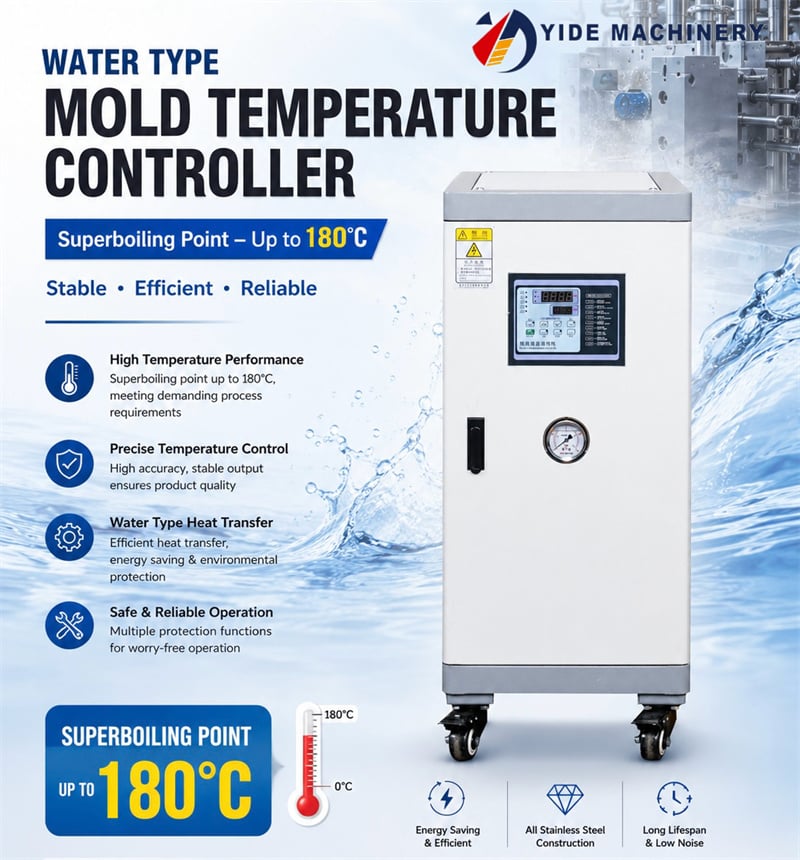
কেন ঐতিহ্যগত জল তাপমাত্রা নিয়ন্ত্রকগুলি ১০০°সেলসিয়াসেই আটকে থাকে
উচ্চ-স্ফুটনাঙ্ক প্রযুক্তিটি বোঝার জন্য, আমাদের প্রথমে বুঝতে হবে যে কোথায় ঐতিহ্যগত জল তাপমাত্রা নিয়ন্ত্রকগুলি ব্যর্থ হয়।
মূল কারণ হলো খোলা সিস্টেম। অধিকাংশ ঐতিহ্যগত জল তাপমাত্রা নিয়ন্ত্রক খোলা ট্যাঙ্ক ডিজাইন ব্যবহার করে, যেখানে ওভারফ্লো (বা ভেন্ট) পোর্টটি বায়ুমণ্ডলের সাথে সংযুক্ত থাকে। যখন হিটার কাজ করে এবং জলের তাপমাত্রা বৃদ্ধি পায়, তখন:
৬০–৮০°সেলসিয়াস তাপমাত্রায়, সবকিছু স্বাভাবিকভাবে চলে—জল তরল অবস্থায় সঞ্চালিত হয় এবং তাপ কার্যকরভাবে স্থানান্তরিত করে।
যখন তাপমাত্রা ৯০°সেলসিয়াসের কাছাকাছি পৌঁছায়, দ্রবীভূত বায়ু দ্রবণ থেকে বেরিয়ে আসতে শুরু করে এবং ওভারফ্লো পোর্ট দিয়ে বেরিয়ে যায়।
যখন তাপমাত্রা ১০০°সেলসিয়াসে পৌঁছায়, জল প্রবলভাবে ফুটতে শুরু করে এবং বড় পরিমাণে বাষ্প ওভারফ্লো পোর্ট দিয়ে বেরিয়ে আসে।
এখানেই সমস্যাটি বিদ্যমান: বাষ্প একটি বিশাল পরিমাণ তাপ নিয়ে যায়, এবং আরও খারাপ হলো, যখন অত্যধিক পানি বাষ্পীভূত হয়, পাম্পটি ক্যাভিটেশনের শিকার হতে পারে—এটি তরল পানির পরিবর্তে বাষ্প টেনে নেয়, যা সঞ্চালন ব্যাহত করে, তাপীয় দক্ষতা হ্রাস করে এবং এমনকি সরঞ্জামটিকে ক্ষতিগ্রস্ত করতে পারে।
সুতরাং, ঐতিহ্যবাহী ওপেন-সিস্টেম জলের তাপমাত্রা নিয়ন্ত্রকগুলি সাধারণত ৯৫°সেলসিয়াসের নিচে নিরাপদ কার্যক্রম তাপমাত্রায় সীমিত থাকে। এই সীমার উপরে যাওয়া শুধুমাত্র ঝামেলার কারণ হয়ে ওঠে।
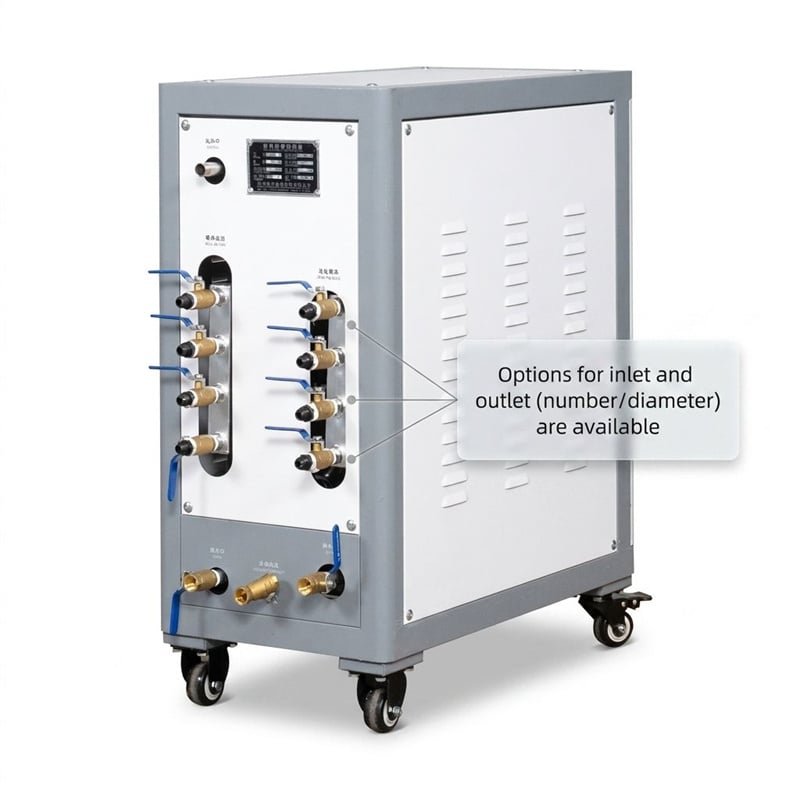
সলেনয়েড ভাল্ভের চতুর ভূমিকা: ওভারফ্লো পোর্টকে চাপ নিয়ন্ত্রকে পরিণত করা
সলেনয়েড ভাল্ভযুক্ত একটি বন্ধ সিস্টেম পূর্ণ রূপে খেলার নিয়ম পরিবর্তন করে।
ধাপ ১: স্টার্টআপ ফিলিং – বাতাস অপসারণ
যখন সিস্টেমটি চালু হয়, ফিল পাম্পটি পাইপিং-এর মধ্যে জল প্রেরণ করে। এই সময়ে, ওভারফ্লো সোলেনয়েড ভাল্ভটি খোলা থাকে, যার ফলে লাইনগুলিতে উপস্থিত বাতাস জলের সাথে এগিয়ে যায় এবং শেষ পর্যন্ত ওভারফ্লো পোর্ট দিয়ে বেরিয়ে যায়। এটি একটি গুরুত্বপূর্ণ "বাতাস নিষ্কাশন" ধাপ—যদি বাতাস সম্পূর্ণরূপে অপসারণ না করা হয়, তবে অবশিষ্ট বুদবুদগুলি সঞ্চালন ও তাপ স্থানান্তরকে বাধা দেওয়ার জন্য "বাতাসের পকেট" তৈরি করতে পারে। যখন সিস্টেমটি সম্পূর্ণরূপে জল দ্বারা পূর্ণ হয় এবং বাতাস অপসারণ করা হয়, তখন নিয়ন্ত্রক সোলেনয়েড ভাল্ভটিকে বন্ধ করার নির্দেশ দেয়, যার ফলে সমগ্র জল সার্কিটটি একটি সম্পূর্ণ বন্ধ সঞ্চালন লুপে পরিণত হয়।
ধাপ ২: তাপীয় প্রক্রিয়া – বাষ্পের যাওয়ার কোনো জায়গা নেই
হিটারটি চালু হয় এবং জলের তাপমাত্রা ধীরে ধীরে বৃদ্ধি পায়। যখন তাপমাত্রা ১০০°সেলসিয়াসের ঊর্ধ্বে উঠে, কিছু তরল জল বাষ্পে পরিণত হতে শুরু করে। কিন্তু এই বন্ধ সিস্টেমে, ওপেন সিস্টেমের মতো ওভারফ্লো পোর্ট দিয়ে বাষ্প বেরিয়ে যেতে পারে না—এটি পাইপিং ও হিটিং চেম্বারের ভিতরে আটকে থাকে।
ধাপ ৩: চাপ ও তাপমাত্রা একসাথে বৃদ্ধি পায়
আটকে যাওয়া বাষ্প জমা হয়, এবং বন্ধ ব্যবস্থাটির অভ্যন্তরীণ চাপ ক্রমাগত বৃদ্ধি পায়। পদার্থবিদ্যা আমাদের বলে যে: চাপের সঙ্গে সরাসরি সমানুপাতিকভাবে জলের স্ফুটনাঙ্ক বৃদ্ধি পায়। বায়ুমণ্ডলীয় চাপে এটি ১০০°সেলসিয়াস; যখন ব্যবস্থার চাপ প্রায় ০.২ এমপিএ (প্রায় ২ বার) হয়, তখন স্ফুটনাঙ্ক প্রায় ১২০°সেলসিয়াসে উঠে যায়; প্রায় ০.৫ এমপিএ-এ এটি প্রায় ১৫০°সেলসিয়াসে পৌঁছায়; এবং প্রায় ০.৮ এমপিএ-এ এটি ১৮০°সেলসিয়াস পর্যন্ত উঠে যেতে পারে।
> এর অর্থ হলো যে, যতক্ষণ আমরা যথেষ্ট চাপ প্রদান করব, জল সহজেই ঐতিহ্যগত সীমা অতিক্রম করে ১২০°সেলসিয়াস, ১৬০°সেলসিয়াস বা এমনকি ১৮০°সেলসিয়াস তাপমাত্রায় স্থিতিশীল ও অত্যন্ত দক্ষ তাপ-স্থানান্তর তরল হিসেবে থাকতে পারবে।
ধাপ ৪: স্থিতিশীল অপারেশন – সোলেনয়েড ভাল্ভের গতিশীল ভারসাম্য
যখন সিস্টেমের চাপ সেট মানে (যা লক্ষ্য তাপমাত্রার সাথে সম্পর্কিত) পৌঁছায়, তখন কাজটি শুধুমাত্র “ভাল্ভটি বন্ধ করে দেওয়া এবং ভুলে যাওয়া” হয় না। একটি সূক্ষ্ম নিয়ন্ত্রক অবিরামে তাপমাত্রা ও চাপের ডেটা পর্যবেক্ষণ করে এবং পিআইডি অ্যালগরিদম ব্যবহার করে সোলেনয়েড ভাল্ভের খোলার ও বন্ধ হওয়ার ফ্রিকোয়েন্সিকে নিয়ন্ত্রণ করে—যখন চাপ কম থাকে, ভাল্ভটি সম্পূর্ণ বন্ধ থাকে যাতে সিস্টেমটি দ্রুত চাপ ও তাপমাত্রা বৃদ্ধি করতে পারে; যখন চাপ উচ্চতম সীমায় পৌঁছায়, ভাল্ভটি সামান্য খোলে যাতে অতিরিক্ত স্টিমের একটি ক্ষুদ্র পরিমাণ নির্গত হয় এবং গতিশীল চাপ ভারসাম্য বজায় থাকে।
এই চক্রটি অবিরামে পুনরাবৃত্তি হয় এবং শেষ পর্যন্ত তাপমাত্রাকে ±০.১°সে-এর নির্ভুলতায় সেট পয়েন্টে স্থিতিশীল করে।
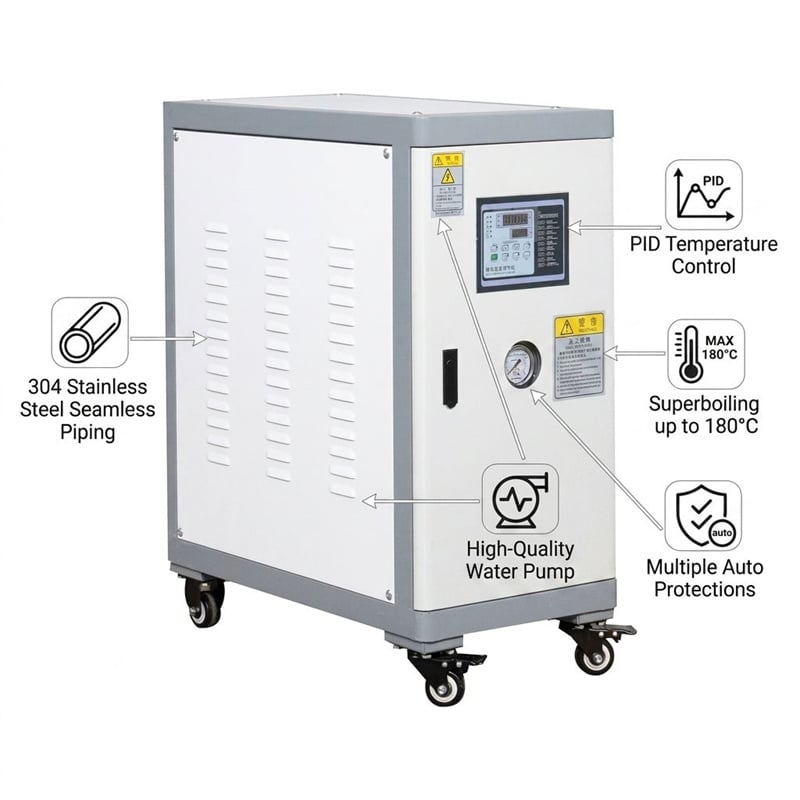
উচ্চ-স্ফুটনাঙ্ক জল তাপমাত্রা নিয়ন্ত্রকের ছয়টি মূল সুবিধা
| সুবিধা | বর্ণনা |
| তাপমাত্রা সীমা ভঙ্গ | বন্ধ চক্রের চাপ প্রয়োগের মাধ্যমে এই ইউনিটটি ১৮০°সেলসিয়াস পর্যন্ত উত্তপ্ত হতে পারে, যা জলকে শুধুমাত্র ১০০°সেলসিয়াসের নীচে ব্যবহার করা যায়—এই পুরনো ধারণাকে সম্পূর্ণভাবে উল্টে দেয় এবং মাঝারি থেকে উচ্চ তাপমাত্রার শিল্প অ্যাপ্লিকেশনের বৃহৎ অংশ কভার করে। |
| অত্যন্ত উচ্চ নিয়ন্ত্রণ নির্ভুলতা | পিআইডি নিয়ন্ত্রণ এবং সোলেনয়েড ভাল্ভের দ্রুত প্রতিক্রিয়ার সংমিশ্রণে ±০.১°সেলসিয়াস নির্ভুলতা অর্জন করা হয়—যা অধিকাংশ তেল-ভিত্তিক ইউনিটের সাধারণ ±১°সেলসিয়াস নির্ভুলতার তুলনায় অনেক বেশি। |
| সুপারিয়র তাপ স্থানান্তর | জলের তাপীয় পরিবাহিতা তাপীয় তেলের তুলনায় প্রায় ২.৫ গুণ এবং বিশিষ্ট তাপ প্রায় ১.৮ গুণ। এর অর্থ দ্রুত তাপীয় উত্তাপ, দ্রুত শীতলীকরণ প্রতিক্রিয়া, ছোট চক্র সময় এবং মেশিনের উত্তম ব্যবহার। |
| তেল দূষণ নেই | তাপীয় তেলের সাথে সাধারণত ঘটে এমন জারণ, কোকিং এবং কার্বন জমাটের সমস্যাগুলো সম্পূর্ণরূপে দূর করে। সিস্টেমটি ভিতরে পরিষ্কার থাকে এবং তেলের দ্বারা দূষণের কারণে তাপ স্থানান্তরের দক্ষতা সময়ের সাথে হ্রাস পায় না। |
| খুবই কম রক্ষণাবেক্ষণ খরচ | তাপীয় তেলের নিয়মিত প্রতিস্থাপন প্রয়োজন (সাধারণত প্রতি ৩-৬ মাস অন্তর), যার ফলে উচ্চ তেল খরচ এবং শ্রম-নিবিড় প্রতিস্থাপন প্রক্রিয়া হয়। অন্যদিকে, পানি সহজলভ্য এবং এর পর্যায়ক্রমিক প্রতিস্থাপনের প্রয়োজন হয় না; দিনচর্যা রক্ষণাবেক্ষণ শুধুমাত্র পানির স্তর এবং সিস্টেমের সীলিং পরীক্ষা করা। |
| নিরাপদ এবং পরিবেশবান্ধব | পানির কোনো ফ্ল্যাশ পয়েন্ট নেই এবং এটি অদাহ্য, যা উচ্চ তাপমাত্রায় কাজ করা তাপীয় তেলের তুলনায় নিরাপদ; কারণ এগুলো লিকেজ এবং আগুনের ঝুঁকি তৈরি করে। তাছাড়া, পানি অপ্রদূষণকারী, যা ক্রমশ কঠোরতর পরিবেশগত বিধিমালা মেনে চলে। |
ব্যাপক প্রয়োগ: কোন শিল্পখাতগুলো এর সুবিধা গ্রহণ করছে?
উৎকৃষ্ট কার্যকারিতার সাথে, উপরের স্ফুটনাঙ্কের উপরে কাজ করা পানি তাপমাত্রা নিয়ন্ত্রক বহু উৎপাদন খাতে গুরুত্বপূর্ণ ভূমিকা পালন করছে:
নির্ভুল ইনজেকশন মোল্ডিং – অপটিক্যাল লেন্স, লাইট গাইড প্লেট, লেজার ডিস্ক এবং মেডিকেল ডিভাইস কানেক্টরের মতো পণ্যের জন্য, তাপমাত্রার ক্ষুদ্রতম ওঠানামা সিঙ্ক মার্ক, ওয়ারপেজ বা অবশিষ্ট চাপ সৃষ্টি করতে পারে। এই ইউনিটটি একটি অত্যন্ত স্থিতিশীল উচ্চ-তাপমাত্রার তাপ উৎস প্রদান করে, যা উৎপাদন হার উল্লেখযোগ্যভাবে বৃদ্ধি করে।
সেমিকন্ডাক্টর এবং ইলেকট্রনিক্স উৎপাদন – ওয়াফার ক্লিনিং, ফটোরেজিস্ট কিউরিং এবং এলসিডি প্যানেল বন্ডিং-এর মতো প্রক্রিয়াগুলির জন্য নির্ভুল তাপমাত্রা নিয়ন্ত্রণ এবং কণা-মুক্ত, আয়ন-মুক্ত পরিষ্কার পরিবেশের প্রয়োজন হয়। এই দিক থেকে তেলের তুলনায় জল স্বাভাবিকভাবেই উত্তম।
রাসায়নিক ও ফার্মাসিউটিকাল শিল্প – রিয়াক্টর এবং ফার্মেন্টারের জ্যাকেটেড হিটিং-এর জন্য রাসায়নিক বিক্রিয়াগুলির সামঞ্জস্য এবং ওষুধের গুণগত স্থিতিশীলতা নিশ্চিত করার জন্য সঠিক ও সমান তাপমাত্রা নিয়ন্ত্রণের প্রয়োজন হয়।
ম্যাগনেসিয়াম-অ্যালুমিনিয়াম ডাই-কাস্টিং – উচ্চ-তাপমাত্রায় ডাই-কাস্টিংয়ে, ছাঁচের তাপমাত্রা সরাসরি পূরণ আচরণ এবং পৃষ্ঠের গুণগত মানকে প্রভাবিত করে। উপরে-স্ফুটনাঙ্ক জল ইউনিটটি একটি পরিষ্কার ও দক্ষ উচ্চ-তাপমাত্রার উৎস প্রদান করে, যা উচ্চ-নির্ভুলতাসম্পন্ন পাতলা-দেয়াল ঢালাই তৈরি করতে সহায়তা করে।
রাবার এবং কম্পোজিট উপাদান মোল্ডিং – রাবার ভালকানাইজেশন, কার্বন ফাইবার প্রিপ্রেগ কিউরিং, বাতাসের টারবাইন ব্লেড ফর্মিং—এই প্রক্রিয়াগুলির অনেকগুলিতে ১২০–১৮০°সেলসিয়াস পরিসরে স্থির তাপমাত্রার প্রয়োজন হয়, এবং এই ইউনিটটি একটি আদর্শ পছন্দ।
নতুন শক্তি ব্যাটারি উৎপাদন – লিথিয়াম-আয়ন ব্যাটারি সেপারেটর প্রসারিতকরণ, ইলেকট্রোড কোটিং শুকানো এবং অন্যান্য পদক্ষেপগুলিতেও স্থিতিশীল ও বিশ্বস্ত উচ্চ-তাপমাত্রা নিয়ন্ত্রণের প্রয়োজন হয়।
সাধারণ প্রশ্নের উত্তর
প্রশ্ন: ১২০°সেলসিয়াস বা তার উপরে জল কি পাইপিং ক্ষয় করবে না?
ক: একটি বন্ধ সিস্টেমে, প্রাথমিক বায়ু-ব্লিড পর্বের সময় দ্রবীভূত অক্সিজেনের অধিকাংশই বেরিয়ে যায়, ফলে চালানোর সময় অক্সিজেনের পরিমাণ খুবই কম—বাতাসের সংস্পর্শে থাকা সিস্টেমের তুলনায় অনেক কম। যতক্ষণ 304 বা 316 স্টেইনলেস স্টিল ব্যবহার করা হয়, দীর্ঘমেয়াদী চালানো সমস্যামুক্ত থাকে।
প্রশ্ন: যদি সোলেনয়েড ভাল্ভ ব্যর্থ হয়—তবে কি সিস্টেমটি বিস্ফোরিত হবে?
উ: একটি ভালোভাবে নকশা করা সিস্টেমে একাধিক নিরাপত্তা স্তর অন্তর্ভুক্ত থাকে: একটি যান্ত্রিক নিরাপত্তা রিলিফ ভাল্ভ (যা অতিরিক্ত চাপে স্বয়ংক্রিয়ভাবে খোলে), সেন্সরের মাধ্যমে চাপ নিরন্তর পর্যবেক্ষণ, এবং অতিরিক্ত তাপমাত্রা/অতিরিক্ত চাপের সতর্কতা ও সিস্টেম বন্ধ করার ব্যবস্থা। সোলেনয়েড ভাল্ভ ব্যর্থ হলেও, নিরাপত্তা ভাল্ভটি সর্বশেষ ব্যাকআপ হিসেবে সরঞ্জামগুলোকে রক্ষা করে।
প্রশ্ন: তেল-ভিত্তিক ইউনিটের তুলনায় কার্যকরী খরচ কতটা কমানো যায়?
ক: সামগ্রিকভাবে, জল-ভিত্তিক সিস্টেমের মাধ্যম খরচ প্রায় শূন্য (শুধুমাত্র ছোট্ট পরিমাণ জল মাঝে মাঝে পূরণ করা হয়), নিয়মিত তেল পরিবদলের খরচ ও অপারেশন বন্ধের সময় এড়ায় এবং যেহেতু জল তাপ আরও দক্ষতার সাথে স্থানান্তর করে এবং তাপ উৎপাদনকারী উপাদানগুলি দীর্ঘস্থায়ী হয়, তাই দীর্ঘমেয়াদী অপারেশন খরচ সাধারণত ৩০-৫০% কম হয়।
উপসংহার
আপনার প্রকৌশলী যে "ওভারফ্লো সলেনয়েড ভাল্ভ" উল্লেখ করেছেন, এটি একটি ছোট্ট অংশের মতো মনে হলেও এটি জলের তাপমাত্রা নিয়ন্ত্রকের ১০০°সেলসিয়াস সীমা অতিক্রম করার মূল চাবিকাঠি। একটি বন্ধ সিস্টেমের সমন্বয়ে, উচ্চ-স্ফুটনাঙ্ক জল ইউনিটটি তেল-ভিত্তিক ইউনিটগুলির চেয়ে কার্যকারিতায় শ্রেষ্ঠ হয় এবং একইসাথে পরিষ্কারতা, দক্ষতা, নির্ভুলতা ও নিরাপত্তা প্রদান করে—এটি অনেক উচ্চ-মানের উৎপাদন প্রয়োগের জন্য পছন্দনীয় তাপমাত্রা নিয়ন্ত্রণ সমাধান হয়ে উঠেছে।
যদি আপনি ১০০°সেলসিয়াসের উপরে তাপমাত্রা প্রয়োজন হওয়ার সময় তাপীয়-তেল ইউনিটের তেল দূষণ এবং রক্ষণাবেক্ষণ খরচ নিয়ে সংগ্রাম করছেন, তবে সলিনয়েড-ভাল্ভ সহ বন্ধ ব্যবস্থাযুক্ত স্ফুটনাঙ্কের উপরে জল-ভিত্তিক তাপমাত্রা নিয়ন্ত্রক হতে পারে আপনার খোঁজার সঠিক সমাধান। জল-ভিত্তিক তাপমাত্রা নিয়ন্ত্রণের বিশ্ব ১০০°সেলসিয়াসের অনেক উপরে পর্যন্ত বিস্তৃত।