EN
EN

Vesti
Kako industrijski rashladni uređaji djeluju kao "tihi čuvar" u proizvodnji ploča od karbonskog kristala i plastičnih cijevi
Uvod: Kada se toplina susreće s preciznim hlađenjem
Svaki dan u našoj tvornici u Suzhouu, tone plastičnih peleta se zagrijavaju do rastopljenog stanja i izvlače kroz kalupe. Bez preciznog sustava hlađenja, ovi vrući poluproizvodi bi odmah izgubili oblik — baš kao što se čokolada topi nakon što izađe iz kalupa. Upravo tu ulaze u igru „dvostruki zvijezde“ regulacije temperature — industrijski rashladni uređaj i regulator temperature kalupa. Kao proizvođač s korijenima u Suzhouu, koji se bavi istraživanjem i razvojem opreme za regulaciju temperature u industriji, želimo vas povesti kroz naizgled skroman, ali nezaobilazan svijet rashladnih uređaja kroz dva klasična primjera uporabe: proizvodnju ploča od karbonskog kristala i proizvodnju plastičnih cijevi.
Poglavlje 1: Jednostavan, ali ključan fizički princip
Plastificiranje je u osnovi utrka s vremenom. Stroj za temperiranje kalupa odgovoran je za zagrijavanje plastike do idealnog plastičnog stanja, a nakon što se oblikovanje završi, kalup se mora ohladiti i stvrdnuti što je brže moguće kako bi se "zaključao" oblik i svojstva. Voda, zbog svog visokog specifičnog toplinskog kapaciteta, niske cijene i lakoće cirkulacije, postaje najidealniji rashladni medij. A zadatak rashladne jedinice je osigurati da ovaj tok vode ostane kontinuiran, stabilan i točno održavan na postavljenoj niskoj temperaturi.
Zamislite upravo ekstrudiranu plastičnu cijev. Ako se hladi samo običnom vodom ili putem prirodnog hlađenja, može postati savijena, ovalnog oblika ili imati nabor na površini uslijed neravnomjernih brzina hlađenja u različitim dijelovima. U industrijskim područjima s visokim zahtjevima, takvi proizvodi nisu prihvatljivi.
Poglavlje 2: Uvid na terenu – Rashladne jedinice u proizvodnji ploča od karbonskih kristala
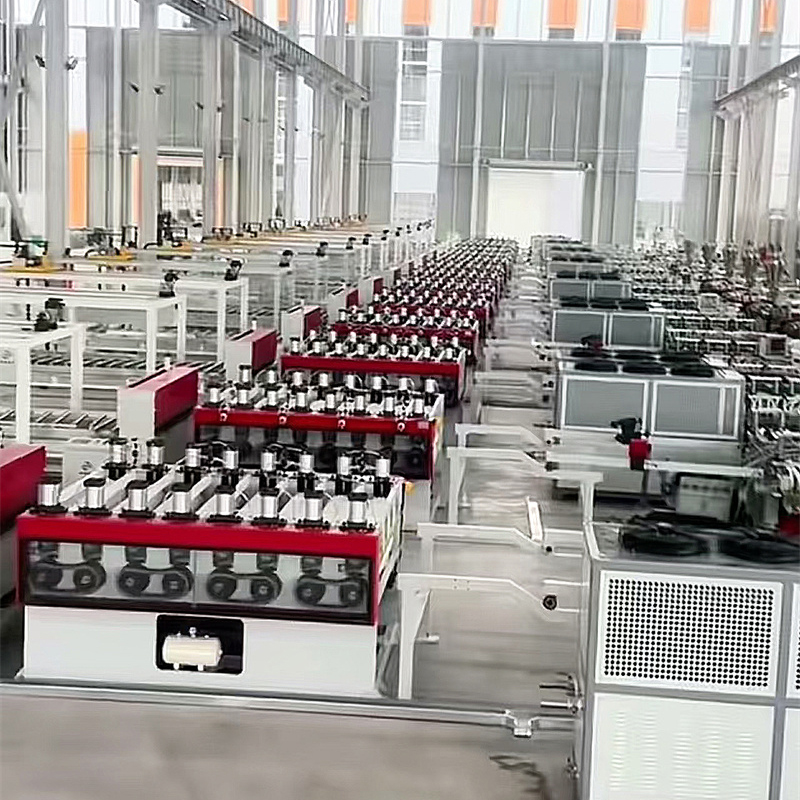
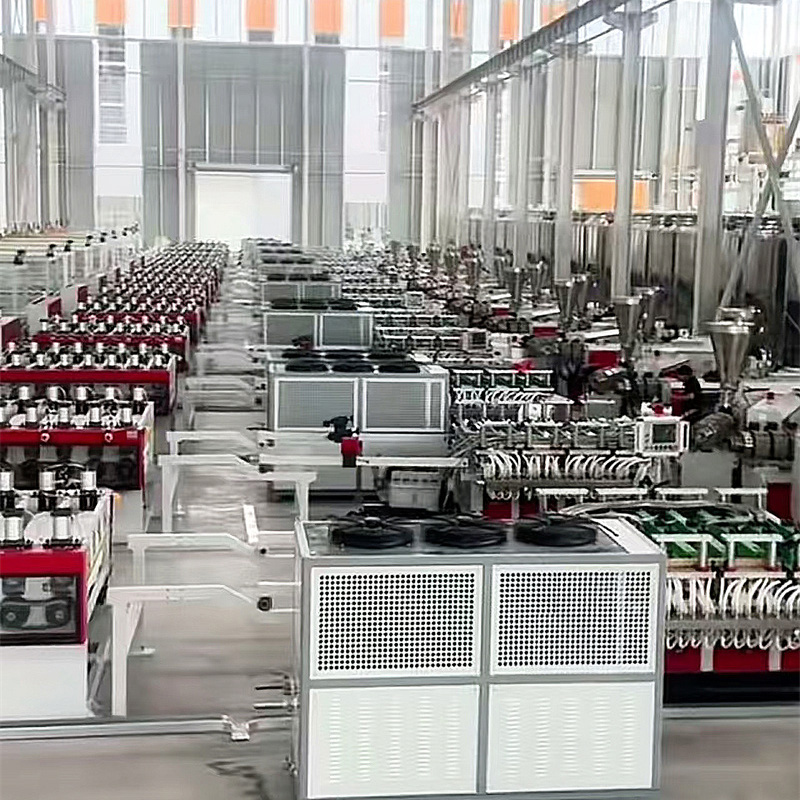
(Ove dvije slike su stvarni snimci na lokaciji koje su napravili naši kupci na proizvodnoj postaji karbonskih kristalnih ploča, iza ekstruzijskog kalupa za karbonske kristalne ploče. Sjajni list materijala glatko ulazi u rezervoar s vodom, dok sa strane rezervoara s vodom stabilno radi srebrno obojena rashladna jedinica od 20KS s hlađenjem zrakom, koja mu kontinuirano osigurava rashladnu energiju.)
Karbonske kristalne ploče, materijal koji se često koristi za učinkovito grijanje i visokokvalitetnu dekoraciju, imaju iznimno stroge zahtjeve u pogledu ravnote, jednoličnosti i termičkih svojstava. Njihov proizvodni proces predstavlja konačni test vještine upravljanja temperaturom.
Kako ovdje funkcionira rashladna jedinica?
1. Trenutno hlađenje: Karbonske kristalne ploče, koje imaju temperaturu čak 150℃, odmah nakon ekstrudiranja iz širokog kalupa ulaze u rezervoar s vodom.
2. Precizna regulacija temperature: Hladnjak snage 20hp s hlađenjem zrakom koji smo konfigurirali može točno održavati temperaturu vodenog spremnika unutar postavljenog raspona od 5℃ - 15℃ (koji se može prilagoditi prema sirovini i brzini). Ovo brzo i jednoliko hlađenje učinkovito sprječava izobličenje i valovite rubove ploča zbog neravnomjernog unutarnjeg naprezanja.
3. Zaštita površine: Brzo hlađenje pomaže u stvaranju glatke, ogledalski sjajne površine, što je ključno za jednoliko generiranje topline i estetski izgled karbonskih kristalnih ploča.
4. Sinergijsko djelovanje: Stroj za temperiranje kalupa na prednjem dijelu proizvodne linije osigurava potpuno otapanje sirovina i njihovu stalnu tekućinost; hladnjak na stražnjem dijelu ih odmah "fiksira". Ova savršena kombinacija grijanja i hlađenja je ključna tajna proizvodnje visokokvalitetnih i visokoprihodnih karbonskih kristalnih ploča.
Vrijednost za kupca: Smanjenje postupaka korekcije naknadne obrade ploča znatno je smanjilo stopu otpada, istovremeno povećavajući brzinu proizvodnje za otprilike 15-20%.
Poglavlje 3: Uvid na licu mjesta – Hladnjaci u proizvodnim linijama plastičnih cijevi
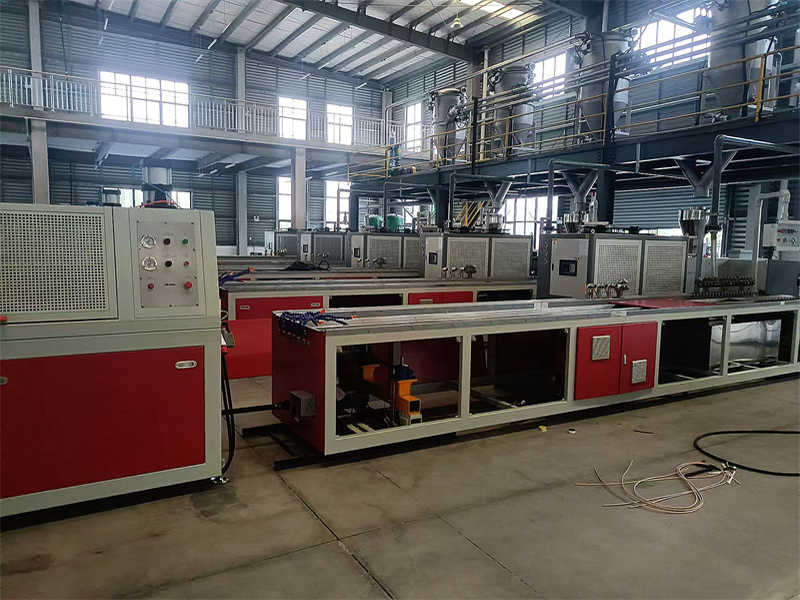
(Ova slika snimljena je na licu mjesta od strane naših kupaca na lokaciji proizvodnje cijevi: fotografija prikazuje dugački kalibracijski vakuumski rezervoar napunjen rashladnom tekućinom, kroz koji prolaze više plastičnih cijevi različitih promjera. U pozadini, visokosnažni industrijski hladnjak povezan je s rezervoarom putem providnih cijevi, stvarajući zatvoreni sustav.)
PVC/PPR cijevi za odvodnju i dovod vode koje svakodnevno vidimo u svakodnevnom životu također se oslanjaju na „kalibracijski“ učinak rashlađene vode. Hlađenje nakon ekstrudiranja nije samo snižavanje temperature; to je zapravo proces „kalibracije“.
Koje probleme rješava hladnjak ovdje?
1. Borba protiv deformacije: Vruće plastične cijevi vrlo su mekane. Hlađena voda koju pruža rashladna jedinica brzo očvrsnjava vanjski zid cijevi unutar vakuumskog kalibracijskog spremnika, osiguravajući savršeno okrugli oblik i standardne dimenzije. Kao što je prikazano, opremanje svake visokobrzinske linije za ekstrudiranje cijevi posebnom rashladnom jedinicom postalo je industrijski standard.
2. Kontrola skupljanja: Plastika se skuplja tijekom hlađenja. Stabilnost temperature vode izravno utječe na jednolikost skupljanja. Naše rashladne jedinice koriste inteligentne PID regulacijske sustave kako bi ograničile oscilacije temperature na ±1°C, osiguravajući konzistentnu debljinu zida cijevi i izbjegavajući slabije točke.
3. Održavanje kontinuirane proizvodnje: Proizvodnja cijevi često traje 24/7. Istrajnost i stabilnost rashladne jedinice time se stavljaju na probu. Koristimo visokoučinkovite kompresore, isparivače otporne na koroziju i pločaste izmjenjivače topline kako bismo osigurali da ne dođe do smanjenja rashladnog učinka tijekom dugotrajnog rada pod velikim opterećenjem.
4. Učinkovitost energetske potrošnje: Moderni rashladni uređaji, poput naše preporučene serije rashlađivane zrakom, koriste tehnologiju invertora i visokoučinkovite ventilatore kako bi automatski prilagodili potrošnju energije stvarnom opterećenju, uštedeći klijentima do 30% troškova električne energije u pogonu u usporedbi sa starijim modelima.
Poglavlje 4: Zašto odabrati profesionalnog proizvođača rashladnih uređaja?
Kao proizvođač, znamo da dobar rashladni uređaj mora raditi više od samog „hlađenja“. Mora biti:
- Prilagođen: Usklađen s brzinom vaše proizvodne linije, svojstvima materijala i dimenzijama proizvoda (npr. 20KS, 30KS, 50KS) kako bi se izbjeglo nedovoljno hlađenje ili gubljenje energije.
- Inteligentan i pouzdan: Potpuno automatska kontrola, alarmi za kvarove, zaštita od smrzavanja i drugo, za jednostavniji rad i veće osjećaje sigurnosti.
- Izrađen za dugotrajnost: Ključni dijelovi imaju protukorozivne dizajne za rukovanje mogućim sitnim nečistoćama u rashladnoj vodi u industriji plastike, čime se produljuje vijek trajanja opreme.
- Potpuno podržano: Pružamo usluge od početka do kraja — od procjene lokacije i dizajna rješenja do uputa za instalaciju i održavanja nakon prodaje.
Zaključak: Temperatura – Nevidljivi konkurentski prednost
Na sceni proizvodnje karbonskih kristalnih ploča i cijevi, ekstruder je „glavni glumac“, a kalup je „zvijezda“. Industrijski hladnjak, međutim, je nezaobilazni „tihi čuvar“ u pozadini. Svojom hladnom otpornošću osigurava ravnanstvo svake ploče i savršenu okruglost svake cijevi, pretvarajući nevidljivu kontrolu temperature u opipljivu kvalitetu proizvoda i tržišnu konkurentnost za naše klijente.
Ako planirate ili nadograđujete svoju liniju za ekstruziju plastike, vrijedi posvetiti malo više vremena kako biste bolje upoznali ovog „tihog čuvara“. Odabir profesionalnog partnera donijet će vidljive poboljšanja učinkovitosti vaše proizvodnje i kvalitete proizvoda.