EN
EN

ຂ່າວ
ການເຢັນລະບົບດີນາໂມແມັດເຕີ: ເປັນຫຍັງຫອ້ງເຢັນຈຶ່ງບໍ່ສາມາດເຮັດວຽກໄດ້ເມື່ອອຸນຫະພູມຄວາມຊື້ນສູງສຸດ (Wet-Bulb Temperature) ເຖິງ 40°C
ການສົນທະນາກັບລູກຄ້າຈິງໆ ທີ່ເປີດເຜີຍຫຼັກການທີ່ສຳຄັນໃນການເຢັນໃນອຸດສາຫະກຳ
ໃນເວລາຫຼ້າສຸດ, ລູກຄ້າຄົນໜຶ່ງໄດ້ຕິດຕໍ່ມາຫາພວກເຮົາເພື່ອຂໍຄຳແນະນຳດ້ານການເຢັນສຳລັບດີນາໂມແມັດເຕີຂອງລາວ.
- ອຸນຫະພູມນ້ຳເຂົ້າ: 40°C
- ອຸນຫະພູມນ້ຳອອກ: 25°C
- ອັດຕາການຫຼືນ: 6000 ລິດ/ຊົ່ວໂມງ (6 ລູກບາສັກ/ຊົ່ວໂມງ)
ລາວຖາມວ່າ: “ຫອ້ງເຢັນຈະເຮັດວຽກໄດ້ຫຼືບໍ່?”
ພວກເຮົາຖາມເຖິງສະພາບອາກາດໃນທ້ອງຖິ່ນ. ຄຳຕອບຂອງລາວ: “ອຸນຫະພູມຄວາມຊື້ນສູງສຸດ (Wet-bulb temperature) ແມ່ນ 40°C.”
ໃນເວລານັ້ນ, ວິທີການໃຊ້ຫອ້ງເຢັນຈຶ່ງຖືກປະຕິເສດຢ່າງສິ້ນເຊີງ. ວິທີທີ່ເປັນໄປໄດ້ດຽວຄືການໃຊ້ເຄື່ອງເຢັນ (chiller).
ບົດຄວາມນີ້ອະທິບາຍເຫດຜົນທີ່ເປັນດັ່ງນັ້ນ – ແລະ ອະທິບາຍຫຼັກການທີ່ສຳຄັນຂອງຫອງເຢັນ (cooling towers), ອຸນຫະພູມິຈຸດຊື່ນ້ຳ (wet-bulb temperature), ແລະ ເຄື່ອງເຢັນ (chillers) ສຳລັບການເຢັນ dynamometer.
1. ເປັນຫຍັງ dynamometer ຈຶ່ງຕ້ອງການການເຢັນຢ່າງເຂັ້ມງວດ?
Dynamometer (ຫຼື “dyno”) ແມ່ນອຸປະກອນທີ່ໃຊ້ວັດແທກບາງສິ່ງບາງຢ່າງເຊັ່ນ: ກຳລັງບິດ (torque), ຄວາມໄວ (speed), ແລະ ກຳລັງ (power) ຂອງເຄື່ອງຈັກເຮັດວຽກດ້ວຍເຄື່ອງຈັກ, ເຄື່ອງຈັກໄຟຟ້າ, ຫຼື ເຄື່ອງຈັກທີ່ເຄື່ອນທີ່ດ້ວຍການປະຕິບັດງານອື່ນໆ.
Dynamometer ປະເພດ eddy current ແລະ hydraulic ແມ່ນມີຄວາມຕ້ອງການສູງເປັນພິເສດ: ມັນປ່ຽນພະລັງງານເຄື່ອງຈັກທັງໝົດທີ່ຖືກດູດຊຶມເຂົ້າໄປເປັນຄວາມຮ້ອນເກືອບທັງໝົດ.
- ຕົວຢ່າງ: ໃນການທົດສອບທີ່ເຕັມທີ່ (full-load test) ກັບເຄື່ອງຈັກໄຟຟ້າ 100 kW, dynamometer ຈະປະສົງຄວາມຮ້ອນປະມານ 100 kW.
- ຖ້າບໍ່ມີການຖ່າຍເອົາຄວາມຮ້ອນອອກຢ່າງມີປະສິດທິພາບ, dynamometer ຈະຮ້ອນເກີນໄປ → ຄ່າການວັດແທກເລີ່ມເບື່ອນ (measurement drift) → ສ່ວນປະກອບເສຍຫາຍ ຫຼື ຂາດເສຍ.
ດັ່ງນັ້ນ, ລະບົບເຢັນທີ່ເຊື່ອຖືໄດ້ແມ່ນຈຳເປັນຢ່າງຍິ່ງສຳລັບຫ້ອງທົດສອບ dynamometer. ວິທີທີ່ນິຍົມໃຊ້ທີ່ສຸດສອງຢ່າງແມ່ນ: ຫອງເຢັນ (cooling towers) ແລະ ເຄື່ອງເຢັນທີ່ເຢັນດ້ວຍນ້ຳ (water-cooled chillers).
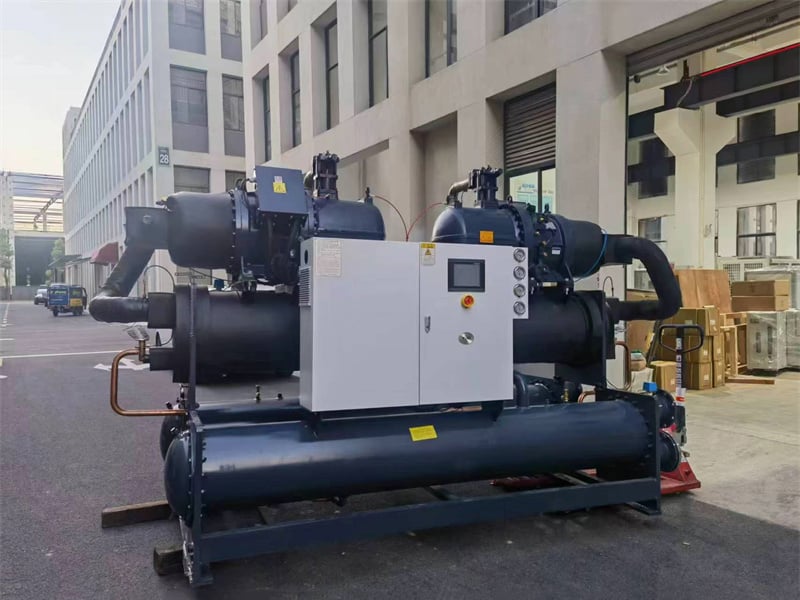
2. ຫອງເຢັນ (Cooling Tower): ມີລາຄາຖືກ, ແຕ່ມີຂໍ້ຈຳກັດທີ່ອັນຕະລາຍ
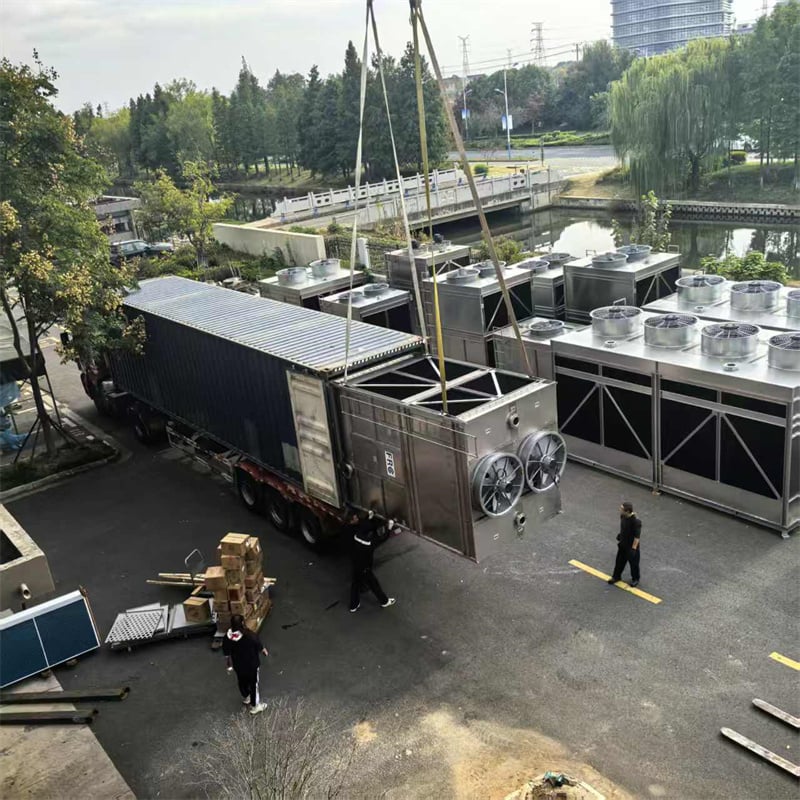
ຫໍຄອຍເຢັນເອົາຄວາມຮ້ອນອອກດ້ວຍວິທີການເຢັນດ້ວຍການລະເຫີຍນ. ນ້ຳຮ້ອນຈະຖືກພົ່ນໄປທົ່ວສື່ການເຕີມ (fill media) ໃນເວລາທີ່ອາກາດກຳລັງລົ່ມຜ່ານ. ສ່ວນໜຶ່ງຂອງນ້ຳຈະລະເຫີຍນໄປ, ເຊິ່ງດຶງເອົາຄວາມຮ້ອນແຝງ (latent heat) ໄປດ້ວຍ ແລະ ລົດອຸນຫະພູມຂອງນ້ຳທີ່ເຫຼືອຈະຕ່ຳລົງ.
“ຈຸດອ່ອນທີ່ສຸດ” – ອຸນຫະພູມບົວລະເຫີຍນ (Wet-Bulb Temperature)
ອຸນຫະພູມບົວລະເຫີຍນ (wet-bulb temperature) ແມ່ນຄຸນສົມບັດດ້ານຈິດຕະວິທະຍາຂອງອາກາດ. ໃນຮູບແບບທີ່ງ່າຍດາຍ: ມັນແມ່ນອຸນຫະພູມຕ່ຳສຸດທີ່ສາມາດບັນລຸໄດ້ດ້ວຍວິທີການເຢັນດ້ວຍການລະເຫີຍນ.
- ຖ້າອຸນຫະພູມບົວລະເຫີຍນຂອງສະພາບແວດລ້ອມແມ່ນ 28°C, ຫໍຄອຍເຢັນຈະບໍ່ສາມາດຜະລິດນ້ຳທີ່ເຢັນກວ່າ 28°C ໄດ້ (ໃນຄວາມເປັນຈິງ, ຂອບເຂດທີ່ເປັນໄປໄດ້ໃນການໃຊ້ງານແມ່ນອຸນຫະພູມບົວລະເຫີຍນ + 3~5°C).
- ຖ້າອຸນຫະພູມບົວລະເຫີຍນແມ່ນ 40°C, ອຸນຫະພູມອອກທາງທິດສະດີຕ່ຳສຸດທີ່ເປັນໄປໄດ້ແມ່ນ ≥43°C (ຄວາມແຕກຕ່າງຈາກອຸນຫະພູມບົວລະເຫີຍນ (approach) ແມ່ນ 3°C ໃນເງື່ອນໄຂທີ່ເໝາະສົມທີ່ສຸດ).
ອຸນຫະພູມເປົ້າໝາຍທີ່ລູກຄ້າຕ້ອງການສຳລັບນ້ຳທີ່ອອກຈາກຫໍຄອຍເຢັນແມ່ນ 25°C – ຕ່ຳກວ່າຂອບເຂດອຸນຫະພູມບົວລະເຫີຍນເຖິງ 18°C.
ບໍ່ມີຫໍຄອຍເຢັນໃດໆທີ່ສາມາດບັນລຸເຖິງເປົ້າໝາຍນີ້ໄດ້, ບໍ່ວ່າຈະເປັນຂະໜາດໃຫຍ່ເທົ່າໃດ ຫຼື ມີລາຄາເທົ່າໃດກໍຕາມ. ກົດເກນທຳມະຊາດຂອງການເຢັນດ້ວຍການລະເຫີຍນເຮັດໃຫ້ເລື່ອງນີ້ເປັນໄປບໍ່ໄດ້ທາງດ້ານຮ່າງກາຍ.
ຄຳສັ່ງສຸດທ້າຍ: ອຸນຫະພູມທີ່ອອກຈາກຫອງເຢັນ (cooling tower) ເສມີສູງກວ່າອຸນຫະພູມຂອງບໍລິເວນແຫວງ (wet-bulb temperature).
3. ຊີລະເລເຕີທີ່ເຢັນດ້ວຍນ້ຳ: ການເຢັນທີ່ບໍ່ຂຶ້ນກັບສະພາບອາກາດ, ມີຄວາມຖືກຕ້ອງສູງ
ຊີລະເລເຕີທີ່ເຢັນດ້ວຍນ້ຳໃຊ້ວົງຈອນການເຢັນດ້ວຍການບີບອັດໄອ (vapor-compression refrigeration cycle) (ເຄື່ອງບີບອັດ, ເຄື່ອງລະເຫີຍ, ເຄື່ອງ ngern, ວາວການຂະຫຍາຍ) – ມີຫຼັກການດຽວກັນກັບເຄື່ອງປັບອາກາດ ຫຼື ເຄື່ອງເຢັນ.
- ອຸນຫະພູມຂອງບໍລິເວນແຫວງ (ambient wet-bulb temperature) ບໍ່ມີຜົນຕໍ່ອຸນຫະພູມຂອງນ້ຳເຢັນທີ່ອອກຈາກຊີລະເລເຕີ.
ວ່າຈະເປັນ 40°C ຫຼື 50°C ນອກເຮືອນ, ຊີລະເລເຕີສາມາດສົ່ງນ້ຳເຢັນທີ່ມີອຸນຫະພູມ 7°C, 15°C ຫຼື 25°C ໄດ້ຢ່າງສະເໝີພາບຕາມທີ່ຕັ້ງໄວ້.
- ເຄື່ອງ ngern (condenser) ຂອງຊີລະເລເຕີຕ້ອງການການເຢັນ (ມັກຈະໃຊ້ຫອງເຢັນແຍກຕ່າງຫຼື ເຄື່ອງເຢັນແຫ້ງ), ແຕ່ເຄື່ອງລະເຫີຍ (evaporator) ຜະລິດນ້ຳເຢັນທີ່ມີອຸນຫະພູມຄວບຄຸມໄດ້, ໂດຍບໍ່ຂຶ້ນກັບສະພາບອາກາດຂ້າງນອກ.
ປະຍຸກໃຊ້ຕາມຄວາມຕ້ອງການຂອງລູກຄ້າ (40°C → 25°C, 6 m³/h)
- ຄວາມສາມາດໃນການເຢັນທີ່ຕ້ອງການ ≈ 104 kW
- ຕາກີດນ້ຳບໍ່ສາມາດເຮັດໄດ້. ເຄື່ອງປັບອາກາດປະເພດ screw ຫຼື scroll ທີ່ໃຊ້ນ້ຳເປັນຕົວແທນໃນການລະເຢັນ ສາມາດຈັດການໄດ້ຢ່າງງ່າຍດາຍ ແລະ ຮັກສາຄວາມຖືກຕ້ອງຂອງອຸນຫະພູມໄວ້ທີ່ ±1°C ເຊິ່ງເປັນສິ່ງຈຳເປັນສຳລັບການທົດສອບເຄື່ອງວັດແທກກຳລັງ (dynamometer) ຢ່າງຕໍ່ເນື່ອງ.
4. ວິທີແກ້ໄຂທີ່ແນະນຳສຳລັບການລະເຢັນເຄື່ອງວັດແທກກຳລັງ
| ວິທີແກ້ໄຂ | ເໝາະສົມກັບ | ຄຸນຫາ | ຫຼັງຫາ |
| ເພີ່ງໃຊ້ຕາກີດນ້ຳເທົ່ານັ້ນ | ອຸນຫະພູມຈຸດເຢັນຕ່ຳ (≤28°C) ແລະ ຂໍ້ກຳນົດອຸນຫະພູມທີ່ອອກມາບໍ່ເຂັ້ມງວດ (ຕົວຢ່າງ: ຕ້ອງການພຽງແຕ່ <35°C) | ຕົ້ນທຶນເບື້ອງຕົ້ນຕ່ຳ, ພະລັງງານການດຳເນີນງານຕ່ຳ | ຂຶ້ນກັບສະພາບອາກາດ; ອຸນຫະພູມທີ່ອອກມາຈະເພີ່ມຂຶ້ນໃນຊ່ວງໜ້າຮ້ອນ |
| ເພີ່ງໃຊ້ເຄື່ອງປັບອາກາດທີ່ໃຊ້ນ້ຳເປັນຕົວແທນໃນການລະເຢັນເທົ່ານັ້ນ | ອຸນຫະພູມຈຸດເຢັນສູງ ຫຼື ຕ້ອງການການຄວບຄຸມອຸນຫະພູມທີ່ແນ່ນອນ (ຕົວຢ່າງ: 25°C ±1°C) | ເสถຍນ, ແນ່ນອນ, ແລະ ບໍ່ຂຶ້ນກັບສະພາບອາກາດ | ຕົ້ນທຶນເບື້ອງຕົ້ນສູງ, ການບໍລິໂภກໄຟຟ້າຫຼາຍ |
| ຫໍຄອຍເຢັນ + ເຄື່ອງເຢັນຕາມລຳດັບ | ຫ້ອງທົດລອງເຄື່ອງຈັກທີ່ໃຫຍ່ ທີ່ຕ້ອງການທັງການປະຢັດພະລັງງານ ແລະ ຄວາມສາມາດໃນການເຮັດວຽກຢ່າງເຊື່ອຖືໄດ້ໃນຊ່ວງລະດູຮ້ອນ | ຫໍຄອຍເຢັນນ້ຳລ່ວງໆກ່ອນ ແລ້ວເຄື່ອງເຢັນຈະເຮັດວຽກຕໍ່ເພື່ອບັນລຸອຸນຫະພູມເປົ້າໝາຍ – ມີປະສິດທິພາບທັງໝົດດີທີ່ສຸດ | ລະບົບທີ່ຊັບຊ້ອນຫຼາຍຂຶ້ນ ແລະ ມີພື້ນທີ່ໃຊ້ງານຫຼາຍຂຶ້ນ |
ສຳລັບຄະດີຂອງລູກຄ້າ (ອຸນຫະພູມເປີ້ນເຫີງ = 40°C, ອຸນຫະພູມເປົ້າໝາຍ = 25°C), ວິທີແກ້ໄຂທີ່ເປັນໄປໄດ້ດຽວຄື ເຄື່ອງເຢັນທີ່ໃຊ້ນ້ຳເປັນຕົວເຢັນ (ຫຼື ເຄື່ອງເຢັນທີ່ໃຊ້ອາກາດເປັນຕົວເຢັນ ຖ້າບໍ່ມີນ້ຳເຢັນໃຫ້ແກ່ເຄື່ອງເຢັນ, ແຕ່ອຸນຫະພູມແວດລ້ອມສູງຈະຫຼຸດທຳມາດປະສິດທິພາບຂອງເຄື່ອງເຢັນທີ່ໃຊ້ອາກາດ)
5. ເປັນຫຍັງຈຶ່ງບໍ່ຊື້ຫໍຄອຍເຢັນເທົ່ານັ້ນ?
ການຈັດອັນດັບ 'ຄວາມສາມາດ' ຂອງຫໍຄອຍເຢັນ ຖືກກຳນົດໃນເງື່ອນໄຂມາດຕະຖານ:
- ນ້ຳເຂົ້າ 37°C, ນ້ຳອອກ 32°C (ΔT = 5°C), ອຸນຫະພູມເປີ້ນເຫີງ 28°C.
ພາລະກິດຂອງລູກຄ້າມີ ΔT ເຖິງ 15°C – ໃຫຍ່ຂຶ້ນເຖິງສາມເທົ່າ. ເຖິງແນວໃດກໍຕາມ, ໃນເງື່ອນໄຂອຸນຫະພູມເປີ້ນເຫີງປົກກະຕິ, ຫໍຄອຍເຢັນມາດຕະຖານທີ່ມີປະສິດທິພາບ 6 m³/h ຈະບໍ່ພໍໃຊ້ຢ່າງຮຸນແຮງ; ຈຳເປັນຕ້ອງໃຊ້ຫໍຄອຍເຢັນທີ່ມີປະສິດທິພາບ 15–20 m³/h.
ແຕ່ເມື່ອອຸນຫະພູມເປີ້ນເຫີງ = 40°C, ບໍ່ມີຫໍຄອຍເຢັນໃດໆທີ່ຈະສາມາດບັນລຸອຸນຫະພູມນ້ຳອອກທີ່ 25°C ໄດ້, ບໍ່ວ່າຈະມີຂະໜາດໃຫຍ່ປານໃດ. ພື້ນຖານດ້ານຟິສິກສໍາລັບການເຢັນດ້ວຍວິທີການລະເຫີຍນຈະລົ້ມເຫຼວ.
6. ລົງທະບຽນ
- ການເຢັນດີນາໂມແມັດເຕີ – ໂດຍສະເພາະສຳລັບປະເພດທີ່ໃຊ້ການໄຫຼວຽນຂອງແສງໄຟ (eddy current) ແລະ ປະເພດທີ່ໃຊ້ນ້ຳ (hydraulic) – ຕ້ອງການການຖ່າຍເອົາຄວາມຮ້ອນທີ່ມີຄວາມສະຖຽນແລະຄວາມຈຸກຳຫຼວງ.
- ອ່າງເຢັນ (cooling towers) ຈະເຮັດວຽກໄດ້ດີເທົ່ານັ້ນໃນເຂດທີ່ມີອາກາດແຫ້ງ ແລະ ເຢັນ ແລະ ມີຄວາມຕ້ອງການດ້ານອຸນຫະພູມທີ່ບໍ່ເຂັ້ມງວດ. ຄວາມສາມາດຂອງມັນຈະຖືກຈຳກັດຢ່າງເຂັ້ມງວດໂດຍອຸນຫະພູມຈຸດເຢັນທີ່ມີຄວາມຊື້ນ (wet-bulb temperature).
- ເຄື່ອງເຢັນທີ່ໃຊ້ນ້ຳ (water-cooled chillers) ບໍ່ຖືກຈຳກັດໂດຍອຸນຫະພູມຈຸດເຢັນທີ່ມີຄວາມຊື້ນ. ມັນສາມາດສະໜອງອຸນຫະພູມທີ່ອອກມາຢ່າງຖືກຕ້ອງ (ເຊັ່ນ: 25°C) ແລະ ເປັນທີ່ເຊື່ອຖືໄດ້, ເຮັດໃຫ້ມັນເປັນທາງເລືອກທີ່ດີທີ່ສຸດສຳລັບການທົດສອບດີນາໂມແມັດເຕີທີ່ຕ້ອງການຄວາມຖືກຕ້ອງສູງ.
ຈື່ໄວ້: ຖ້າອຸນຫະພູມຈຸດເຢັນທີ່ມີຄວາມຊື້ນໃນເຂດທ້ອງຖິ່ນຂອງທ່ານແມ່ນ 40°C, ການຄາດຫວັງວ່າອ່າງເຢັນຈະສາມາດສະໜອງນ້ຳທີ່ມີອຸນຫະພູມ 25°C ນັ້ນກໍຄືກັບການຄາດຫວັງວ່າບ້ານຂອງທ່ານຈະຢູ່ທີ່ 25°C ໃນລະດູໜາວໂດຍບໍ່ຕ້ອງໃຊ້ລະບົບເຮັດຄວາມຮ້ອນ – ນີ້ຂັດຕໍ່ກົດໝາຍທາງດ້ານຟິສິກສາ.
ເມື່ອເລືອກອຸປະກອນເຢັນສຳລັບດີນາໂມແມັດເຕີ (ຫຼື ສຳລັບຂະບວນການອຸດສາຫະກຳໃດໆ), ທ່ານຄວນໃຫ້ຂໍ້ມູນເຫຼົ່ານີ້ເสมີ:
ອຸນຫະພູມທີ່ເຂົ້າ, ອຸນຫະພູມທີ່ອອກ, ອັດຕາການໄຫຼ, (ອຸນຫະພູມຈຸດເຢັນທີ່ມີຄວາມຊື້ນໃນລະດູຮ້ອນຂອງເຂດທ້ອງຖິ່ນ).
ພວກເຮົາຊ່ວຍລູກຄ້າຫຼີກເວັ້ນວິທີແກ້ໄຂທີ່ "ຖືກແຕ່ບໍ່ສາມາດໃຊ້ງານໄດ້" ສຳລັບການປັບອຸນຫະພູມຢ່າງຖືກຕ້ອງ ແລະ ເຊື່ອຖືໄດ້ສຳລັບເຄື່ອງວັດແທກກຳລັງ (dynamometer) – ເລືອກເອົາເຄື່ອງປັບອຸນຫະພູມທີ່ໃຊ້ນ້ຳເປັນຕົວເຢັນ (water-cooled chiller).
ຂຽນໂດຍທີມວິສະວະກຳການປັບອຸນຫະພູມໃນອຸດສາຫະກຳ – ທີ່ເຊີ່ງຊ່ຽວຊານດ້ານການຄວບຄຸມອຸນຫະພູມທີ່ຖືກຕ້ອງສຳລັບເຄື່ອງວັດແທກກຳລັງ (dynamometers), ການໃຫ້ຄວາມຮ້ອນດ້ວຍການບັງຄັບ (induction heating), ເຄື່ອງເຮັດ laser, ເຄື່ອງຂຶ້ນຮູບດ້ວຍການຫຼື້ນ (injection molding machines), ແລະ ອື່ນໆ.